Welcome to GinkoNet!
What is GinkoNet?
GinkoNet is a new initiative underway to create accessible, sustainable community-run digital preservation services for the greater Indiana area, including neighboring states. Planning for GinkoNet commenced in late 2024, and is moving forward rapidly.
What’s driving this effort?
With the 2024 sunsetting of the MetaArchive, the pioneering digital preservation collaborative, several past members of the network saw an opportunity to build on the successful models of regional preservation developed by the Alabama Digital Preservation Network and Michigan Digital Preservation Network. Like these predecessor networks, GinkoNet will make use of the award-winning, open-source LOCKSS digital preservation software, as well as community-built tools and training resources.
Who can join GinkoNet?
While we are still in the early phases of planning and piloting this network, we anticipate the need for node hosts that can provide storage infrastructure and IT support, as well as content depositors who wish to leverage local resources and know-how to meet their digital preservation needs. Expressions of interest from any kind of memory institution, large or small, are welcome; in fact, they’ll help us determine the areas of greatest need and build a sustainable business model. To learn more about our vision and value proposition, visit the Why GinkoNet? page. To sign up for news and updates about GinkoNet, or contribute to the work of the Planning Group, visit the Contact page.
Shouldn’t it be spelled “ginkgo”? Or “gingko”?
Well, perhaps–if we just were talking about the Gingko biloba tree. GinkoNet, on the other hand, is a loose initialism for “Greater Indiana, Kentucky, and Ohio preservation network.”
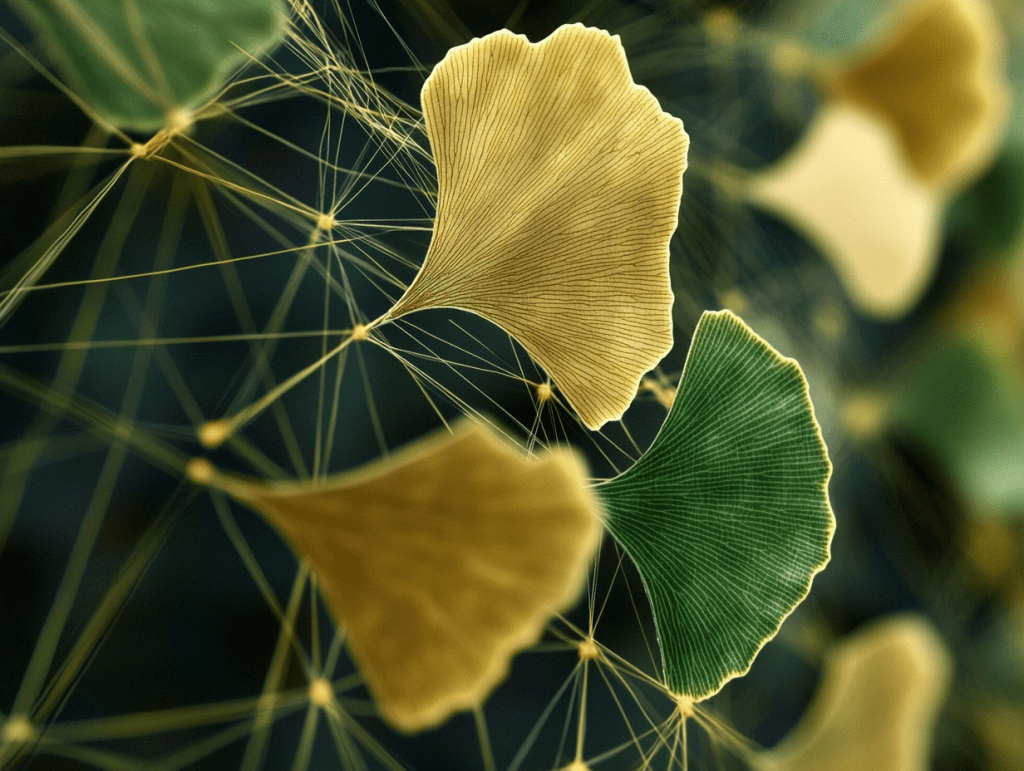
However you spell it, the gingko tree is a great mascot for a digital preservation network. It’s a living fossil with incredible longevity and a genome that has changed very little over the last 200 million years. Some trees alive today were seedlings nearly a thousand years ago, and gingko trees have a remarkable ability to continue growing over time while maintaining strong defenses against drought, bacteria, and pathogens. There’s a long association between gingko trees and memory, as well.
Perhaps most significantly, the global cultivation of the ginkgo from its native habitat in China is one of the factors that has helped this tree survive for so long. You couldn’t ask for a better example of effective stewardship through geographic dispersion and stable code.
 GinkoNet